
Challenge
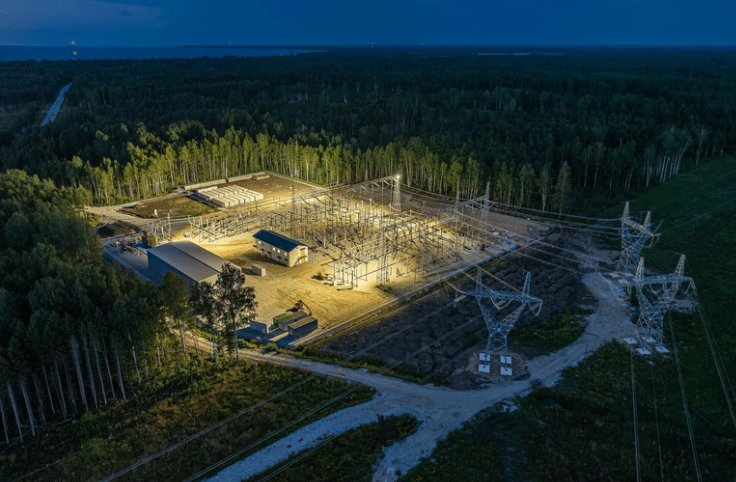
A regional electric utility managing dozens of unmanned substations began receiving reports of unidentified drones loitering over switchyards overnight. The utility had invested heavily in ground perimeter security, including fencing, cameras, and intrusion detection, but none of it could see above the fence line. Security managers had no way to know whether the flights were hobbyists, surveillance for a future physical attack, or reconnaissance of critical transformer assets.
Building permanent counter-drone infrastructure at every site was not realistic. Each installation would require engineering studies, trenched power and fiber, permitting, and capital budget cycles measured in years. Meanwhile, the threat was active now, and it moved unpredictably between sites across a service territory covering thousands of square miles.
Solution
The utility rapidly deployed Mobile Pro System platforms equipped with Spotter Global drone-detection radar at its highest-priority substations, establishing advanced airspace security without requiring permanent infrastructure. Once deployed, radar created an invisible detection perimeter around each facility, identifying and tracking objects in the surrounding airspace, 24/7 and in challenging environmental conditions, including rain, fog, and dust. Adding another layer of coverage, Remote Drone ID 2.0 detected drones broadcasting over WiFi and Bluetooth from up to 3 kilometers away, while mapping associated pilot locations.
The NetworkedIO command-and-control software unified these detection capabilities into a coordinated security platform. When radar identified a potential intrusion, mast-mounted PTZ cameras automatically panned toward the target for visual assessment and verification, with confirmed alerts delivered directly to the utility’s existing monitoring center and VMS. Working together, radar and video analytics distinguished genuine threats from birds and other nuisance activity, reducing false alarms and keeping operators focused on potential security risks. Meanwhile, MPStatus provided continuous, centralized health monitoring of every deployed unit through a single dashboard, giving the security team operational intelligence on every platform deployed.
Results
Each unit was brought fully online within hours of delivery. Within the first month, the utility documented multiple drone incursions. The detections provided security teams with a level of visibility they had not previously achieved across several high-priority sites. Pilot location data let sheriff’s deputies contact an operator during an active flight, ending overnight surveillance at the most targeted site.
Just as important, the program changed the utility’s security economics. Instead of budgeting permanent counter-drone construction at every substation, the team now rotates platforms between sites based on threat intelligence, covering the entire territory with a small fleet. This mobility allows resources to be concentrated where risk is highest while maintaining broad coverage across the service area. Compliance reporting that once relied on guesswork now draws on logged detection data, and the utility presents regulators and insurers with evidence of continuous airspace monitoring at its most critical assets.
More Real-World Deployments Like This
See how mobile surveillance is deployed across different environments to close security gaps and support proactive response.

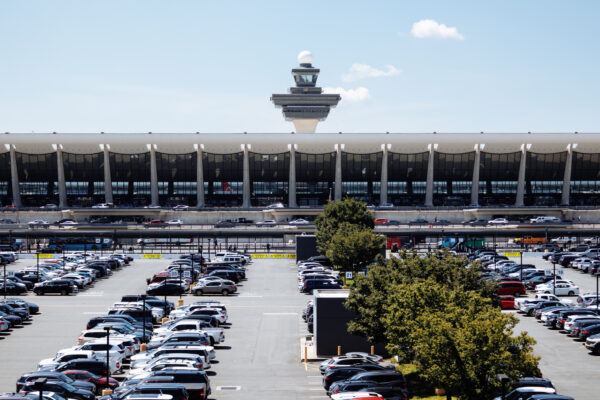
Scalable Airport Surveillance Without Permanent Infrastructure
Challenge Mid-size regional airports operate with lean security staffing and carefully balanced budgets. Their security infrastructure—typically a combination of access gates, fixed cameras, and periodic
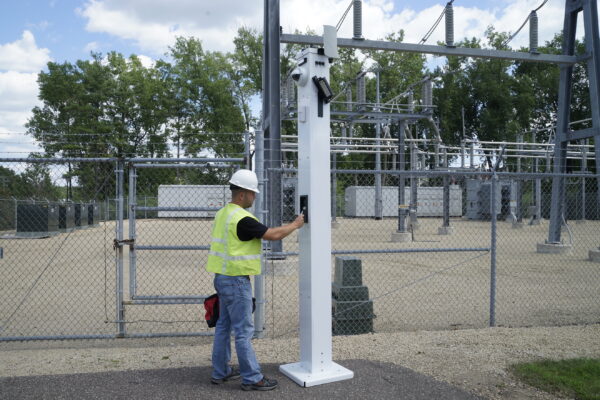
Flexible Vehicle Access Control for High-Traffic Facilities
Challenge For airports, transportation hubs, and large industrial facilities, vehicle access gates present an ongoing challenge: the need to maintain tight control and documentation while

Securing Championship Events with Mobile Security Trailers
Challenge When preparing for a professional sports championship game, the success of the experience depended on creating a secure, seamless environment for tens of thousands