Challenge
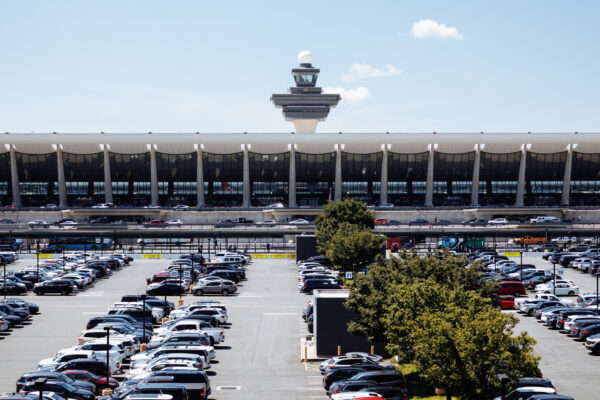
Mid-size regional airports operate with lean security staffing and carefully balanced budgets. Their security infrastructure—typically a combination of access gates, fixed cameras, and periodic patrols—is scaled to meet steady, predictable flight and vehicle patterns. When seasonal travel peaks or major regional events occur, airport activity can surge dramatically.
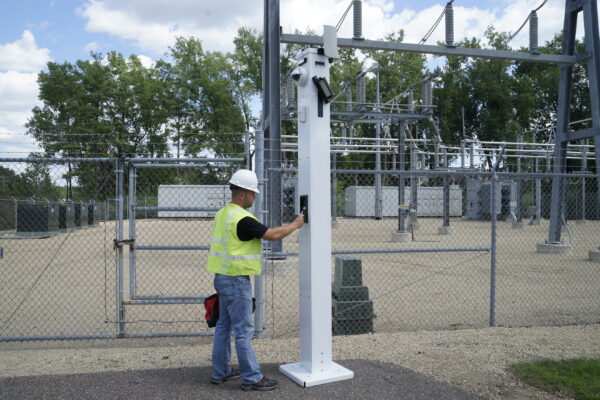
During these surges, more personnel access restricted areas, airside operations expand, and after hours deliveries or ground maintenance become more frequent. Extending hardwired cameras or deploying additional personnel for short intervals is costly and logistically complex. The result is reduced perimeter awareness, a slower response to unauthorized entry or suspicious movement, and greater potential for delays or regulatory citations.
Solution
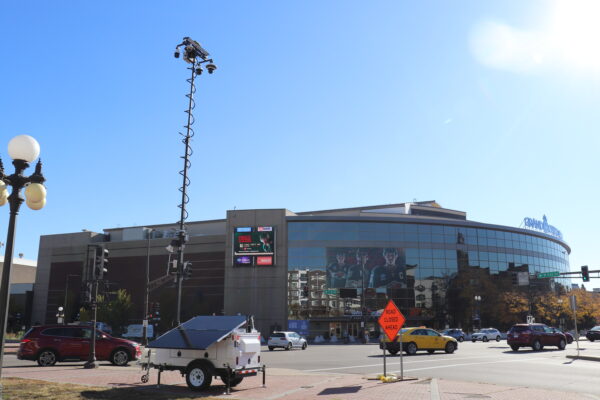
To provide adaptable and timely reinforcement of perimeter security, the airport can deploy a network of mobile surveillance units that operate independently from permanent wiring or existing infrastructure. Each mobile surveillance unit integrates high-resolution and thermal imaging cameras, motion analytics, LED illumination, and two-way audio deterrence in a solar powered, trailer mounted system. The units connect via LTE or private cellular networks to the airport’s centralized security operations center.
Mobile surveillance trailers can be positioned along exterior fence lines, restricted service roads, or temporary aircraft staging zones, extending visibility into areas that typically rely only on physical barriers. As traffic volumes rise, additional units can be deployed to fill surveillance blind spots. Alerts are generated through motion and object classification analytics, allowing operators to verify events in real time and direct on-site patrols to specific coordinates.
Because each unit is fully mobile, security staff can reposition them in response to daily flight volume changes or shifting operational layouts. The flexibility enables dynamic coverage without downtime or costly construction, supporting adaptive security planning.
Result
Flexible mobile security trailer deployments provided the airport with scalable, on‑demand visibility across both airside and landside zones as activity levels or threat conditions increased. Airport command centers gained video‑verified detection of perimeter breaches and after‑hours movement, enabling faster coordination with ground staff and law enforcement. This real‑time situational awareness reduced the need for overtime patrol hours and supported more targeted responses, strengthening overall operational readiness during peak periods. Continuous, documented monitoring also helped the airport maintain regulatory compliance when traffic surges or special events elevated risk.
As operational tempo decreased, the mobile units could be easily removed, stored, or reassigned to other airport areas preserving long‑term value. This reusability allowed the airport to scale security coverage up or down without new construction or permanent investments. The result was a flexible, cost‑efficient security model that expanded coverage when needed and conserved resources when demand tapered.