
Challenge
A telecom operator experiences a break‑in at a regional hub housing core networking equipment and backup power systems. While no major outage occurs, the incident results in equipment damage and triggers both an insurance claim and an internal security review, elevating scrutiny from risk, legal, and operations teams.
The site relies on a combination of fixed cameras and badge‑access data, but coverage around loading areas and temporary work zones is inconsistent. As with prior incidents, this gap leads to time‑consuming disputes over when intruders entered the site, how long they remained on‑premises, and how quickly staff or responders acted—complicating claim resolution and delaying internal conclusions.
Solution
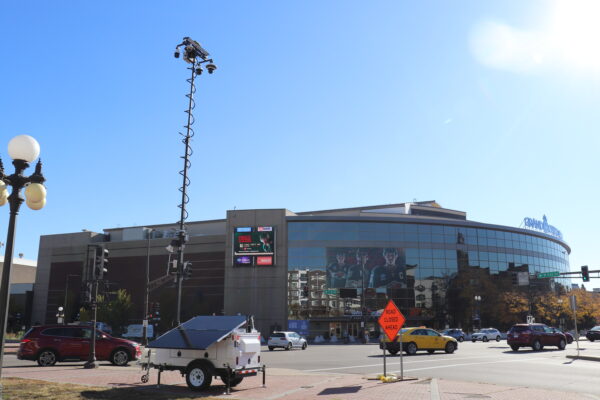
Ahead of the next project cycle, the operator deploys Mobile Pro Systems platforms to extend surveillance coverage across the hub’s exterior approaches, loading bays, and temporary staging areas where fixed cameras are limited or absent. The mobile units provide immediate, elevated visibility over contractor access points and after‑hours activity, reducing blind spots during maintenance windows, equipment deliveries, and infrastructure upgrades. Because the platforms are rapidly deployable and repositionable, coverage can be adjusted as work zones shift—without modifying permanent infrastructure.
Units are configured with retention policies that automatically preserve video associated with alarms, access‑control anomalies, and scheduled maintenance or shutdown periods, and their event logs are integrated with existing incident‑management and ticketing systems. When a subsequent nighttime intrusion attempt occurs, the security team can quickly assemble a single, time‑stamped timeline showing the external approach, perimeter breach, on‑site movement, and response actions, all correlated with alarms, badge data, and call records. This consolidated record accelerates internal reviews, strengthens insurance claim documentation, and reduces ambiguity around sequence, dwell time, and response effectiveness.
Result
For the insurer, the claim file now includes clear, sequential video and event records instead of partial screenshots and written statements. This aligns with broader industry experience that CCTV footage reduces the scope for fraud and accelerates claims resolution (CCTV and claims‑handling discussion).
For internal audit and executive teams, the same consolidated record offers a defensible account of how the organization detected, contained, and reported the incident. The operator can point to concrete post‑incident changes—such as adjusting retention policies or repositioning units to address emerging risk areas—demonstrating a cycle of continuous improvement. Over time, the hub builds a documented history that supports future audits and negotiations with insurers and regulators, reinforcing mobile surveillance as a proactive risk‑management and documentation strategy.