Challenge
In most cities, a small number of blocks generate a disproportionate share of nuisance crime—loitering, open‑air dealing, break‑ins, fights, and late‑night disturbances. While these hotspots are clear in CompStat and calls‑for‑service data, addressing them effectively is hard.
Fixed cameras and capital projects take months to deploy and can’t adapt when activity shifts. Staffing shortages and overtime limits make sustained foot or vehicle presence unrealistic, and short‑term patrol surges or temporary lighting rarely deliver lasting deterrence or defensible before‑and‑after results.
Meanwhile, mayors, councils, residents, and businesses want visible action at specific locations—not just improved citywide metrics. Chiefs need a way to address named hotspots, adapt as patterns change, and demonstrate results without permanent infrastructure or added headcount.
Solution
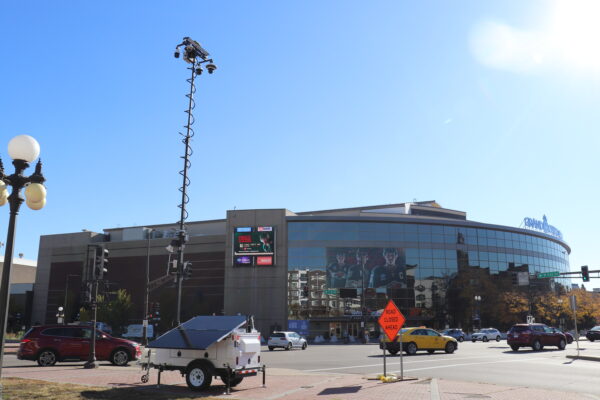
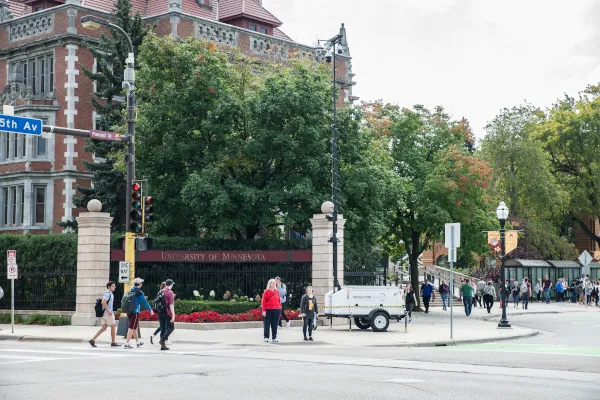
The agency deploys Mobile Pro Systems mobile surveillance units directly into high‑priority hotspots—problem intersections, convenience‑store and nightlife parking lots, and corridors identified through analysis and community complaints. Because platforms can be deployed in hours rather than weeks, command staff can place them precisely where issues cluster, without relying on fixed poles, power, or construction.
Elevated cameras, lighting, and visible agency/Mobile Pro branding signal active monitoring, helping change behavior while capturing wide‑area coverage of surrounding blocks. Remote monitoring and optional analytics surface activity without tying up officers; supervisors gain real‑time visibility so they can respond with better situational awareness instead of staffing static posts.
As conditions improve or new hotspots emerge, units are redeployed on a planned cadence—weekly, monthly, or seasonally—without sunk costs. The same platform can support a downtown entertainment district in summer and shift to school corridors, parks, or problem properties as patterns change.
Result
Within 60–90 days, agencies typically see measurable reductions in nuisance crime and calls for service in monitored hotspots. Camera‑supported deterrence and mobile surveillance are associated with meaningful declines in loitering, disorder, and opportunistic property crime, allowing units to be redeployed as activity stabilizes instead of leaving permanent infrastructure behind.
Operational efficiency and safety improve as fewer locations require static posts or overtime details. Supervisors gain remote visibility, officers respond with better situational awareness, and leadership can point to clear, location‑specific before‑and‑after results supported by data and video.
Most importantly, departments demonstrate adaptable, proactive policing—deploying visible deterrence where problems spike, then moving it as conditions change. Mobile Pro Systems helps agencies extend their presence, improve safety, and deliver clear, place‑based results to city leaders and the community.